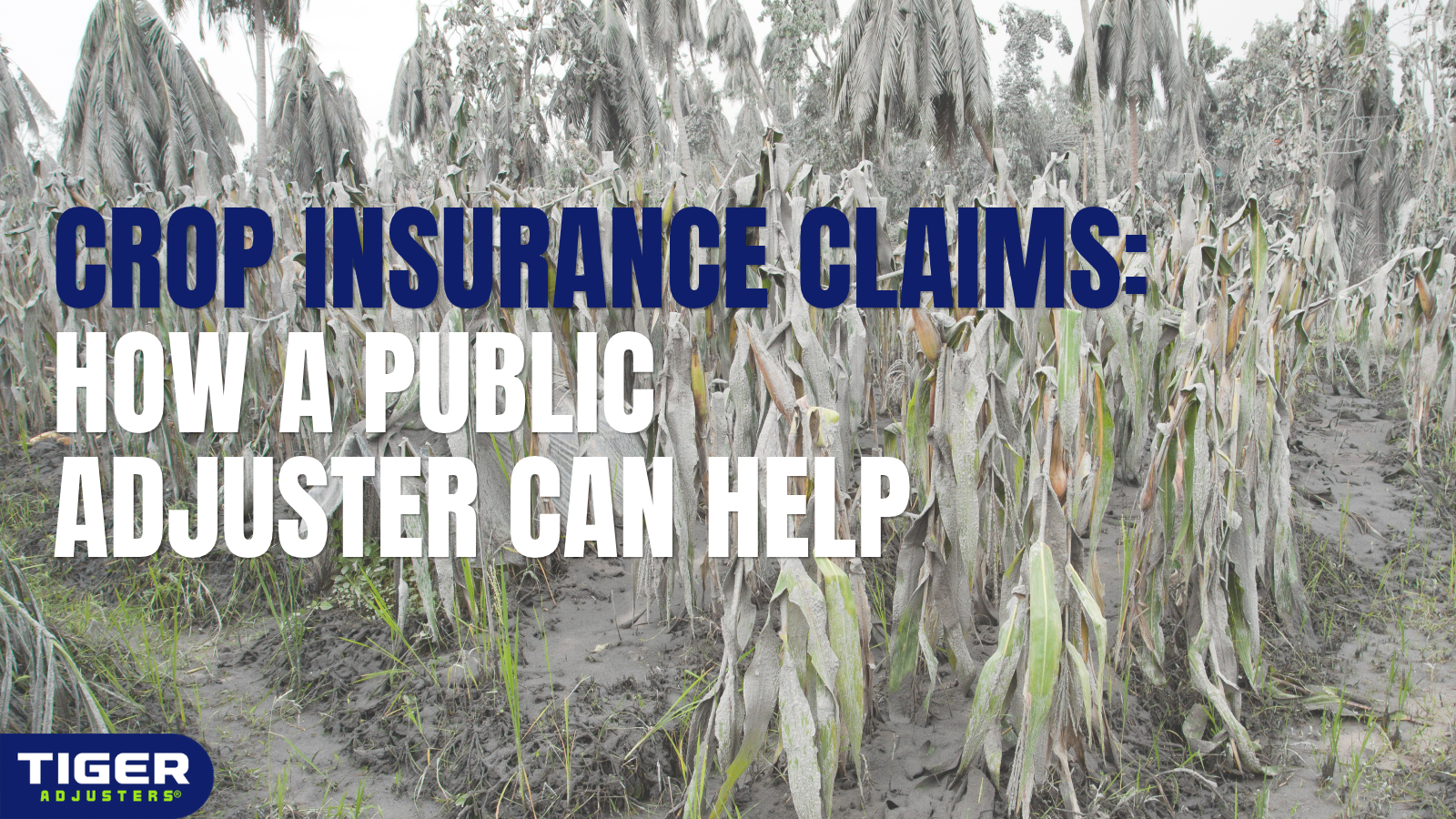
With low commodity prices and high production costs projected to cause an estimated $32 billion loss for farmers in 2027, farmers across the U.S. are looking into ways to protect their bottom line. Crop insurance is a way for farmers to protect against crop losses from natural causes such as weather, insects, and disease, and, with some policies, against falling prices. If you're a farmer looking to protect your operation for the coming year, talk with a licensed crop insurance agent about whether your coverage fits your needs.
According to the Insurance Information Institute, “crop insurance is purchased by agricultural producers, including farmers, ranchers and others to protect against either the loss of their crops due to natural disasters, or the loss of revenue due to declines in the prices of agricultural commodities.”
With weather and market swings creating uncertainty for farmers and ranchers, crop insurance can help protect against the loss of revenue associated with natural disasters or declining prices.
There are two main types of crop insurance:
Need support with your crop insurance claim? A licensed Public Adjuster can help.
Under the Federal Crop Insurance Program, MPCI policies are made available through a partnership between insurance carriers and the federal government. The Federal Crop Insurance Corporation, administered by the USDA's Risk Management Agency (RMA), sets the policy terms and conditions, while approved private insurance companies sell and service the policies through licensed agents.
You can find an approved agent through the USDA Risk Management Agency’s Agent Locator Tool. For a detailed breakdown of insurance policies available under the Federal Crop Insurance Program, read the USDA’s Beginner’s Guide to Crop Insurance.
Whether you're preparing to file a crop insurance claim or you've already received a denial or a settlement you believe is too low, a Public Adjuster can review your claim and help you pursue what you're owed under your policy.
Public Adjusters are licensed insurance professionals who work for you, not your insurance company. They can document the crop damage, organize your production and planting records, review the insurer's loss calculations, and negotiate with the carrier on your behalf to reach an appropriate settlement.
Federal crop insurance claims work differently from other insurance claims. MPCI losses are adjusted using procedures set by the federal government, and disputes with the insurer generally go through mediation or arbitration under the policy, with strict deadlines. Licensing rules for crop claims also vary by state, and some states require a separate crop adjuster license.
Many Public Adjusters work on a contingency fee basis, meaning they're paid a percentage of the claim payment, usually only if there's a recovery. How the fee is calculated depends on your contract and state law, and some states cap Public Adjuster fees.
If you’re looking for help with your crop insurance claim, Tiger Adjusters can assist. Give us a call today for a free policy review and claim consultation.