
A "Commercial Line Policy" or "Commercial Package Policy" (CPP) is a comprehensive and flexible insurance solution designed to meet the diverse needs of businesses. It bundles multiple essential commercial insurance coverages—such as commercial property, general liability, and sometimes others—into a single policy, removing the necessity for businesses to purchase multiple individual policies with potentially overlapping coverage.
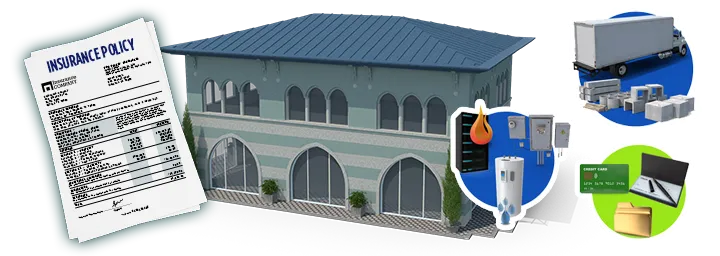

Let's talk about the "Commercial Package Policy," or CPP! Think about it: every business is different, right? A small bakery isn't facing the same risks as a massive manufacturing plant, and neither of them are worried about the same stuff as a tech startup. That’s where the CPP comes in. Instead of having to buy a separate policy for your building, another for your liability, and maybe a third for your equipment – all with potentially overlapping signals – the CPP bundles it all together into one sleek, customizable package.
Commercial Line policies account for about half of U.S. property/casualty insurance industry premiums, highlighting their critical role in the economy. Additionally, bundling multiple coverages into a single policy often results in lower premiums compared to purchasing individual policies separately, offering a cost-effective solution for businesses (III 2025).
Most small to medium-sized businesses can significantly benefit from a CPP, as it provides a robust and efficient way to manage their primary insurance needs. However, not every business is a perfect fit. Very large corporations with highly specialized or global risks might opt for "mono-line" policies (individual policies for each specific risk) or highly customized "manuscript policies" tailored precisely to their unique scale. Also, some very small businesses or home-based operations might find a Business Owner's Policy (BOP) to be a more simplified and often cheaper alternative, as a BOP is essentially a pre-packaged, scaled-down CPP. But for the majority of operations, the CPP is your go-to solution for robust, flexible coverage.
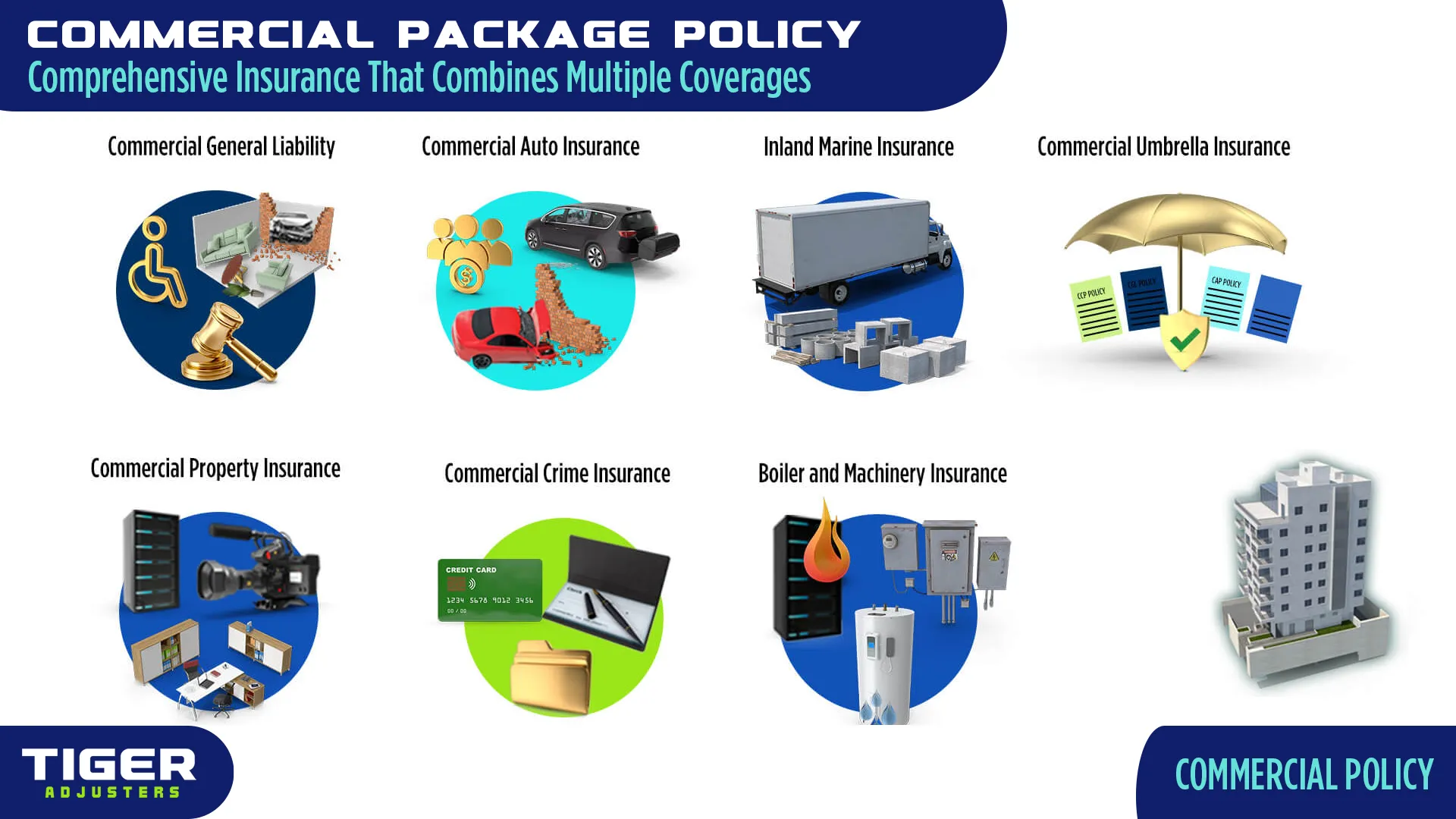
No, definitely not! While the core structure of bundling coverages is similar, the specifics of a CPP can vary immensely. The greatest variation lies in how the policy is customized. The types of coverages included, the limits for each, and the specific endorsements (additions or modifications) will be unique to each business.
All policies have exclusions. For example, CPPs typically do not include Workers' Compensation, Professional Liability (E&O), Employment Practices Liability (EPLI), or Commercial Auto insurance; these usually need separate policies.
A Commercial Package Policy is your business's critical, integrated defense system, streamlining coverage and adapting to your unique operational footprint. Don't fall for a generic solution; your business deserves a policy as customized as its own operations. For a thorough review of your property damage coverage within your CPP and to confirm your preventative measures align with your coverage, always call a Public Adjuster. They'll help you untangle the intricacies of your property coverage, because a glitch in your defense system can crash your entire enterprise!


