
Within insurance, "liability" refers to your legal responsibility for damages or losses you cause to another person or their property. It's about being held accountable, legally and financially, when your actions (or even your property's actions) result in harm to someone else.
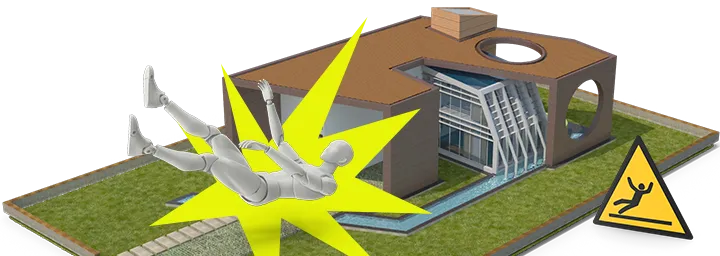

Let's talk about "Liability!" Now this is a big one, because it's all about who's on the hook when things go wrong. In insurance, "liability" isn't about your stuff getting damaged; it's about you being legally responsible for accidentally hurting someone else or damaging their property.
Think of it like this: if you accidentally spill a giant, sugary drink on your friend's brand-new super-computer, you're "liable" for the damage. Or if someone trips on a loose flagstone in your yard and breaks their ankle, you could be held "liable" for their medical bills. It’s about making sure your wallet doesn't take a direct hit for unexpected accidents, because nobody wants to face a lawsuit just because their dog decided to chase a squirrel through the neighbor's prize-winning rose garden, right? It’s your financial firewall against the chaos you might accidentally cause in the world.
Personal Liability coverage (often called "Coverage E" in homeowner's policies) is a standard and essential part of almost all homeowner's, renter's, and condo insurance policies. So, for the majority of policies, you're getting this crucial protection! While it's included, the limits can vary, and some high-risk activities or intentional acts are excluded.
At Tiger Adjusters®, our speciality is property damage, not liability claims. So while we can help you understand your policy's property side, for complex liability situations or specific legal advice, you'll need to consult with legal counsel or a professional specializing in liability claims.
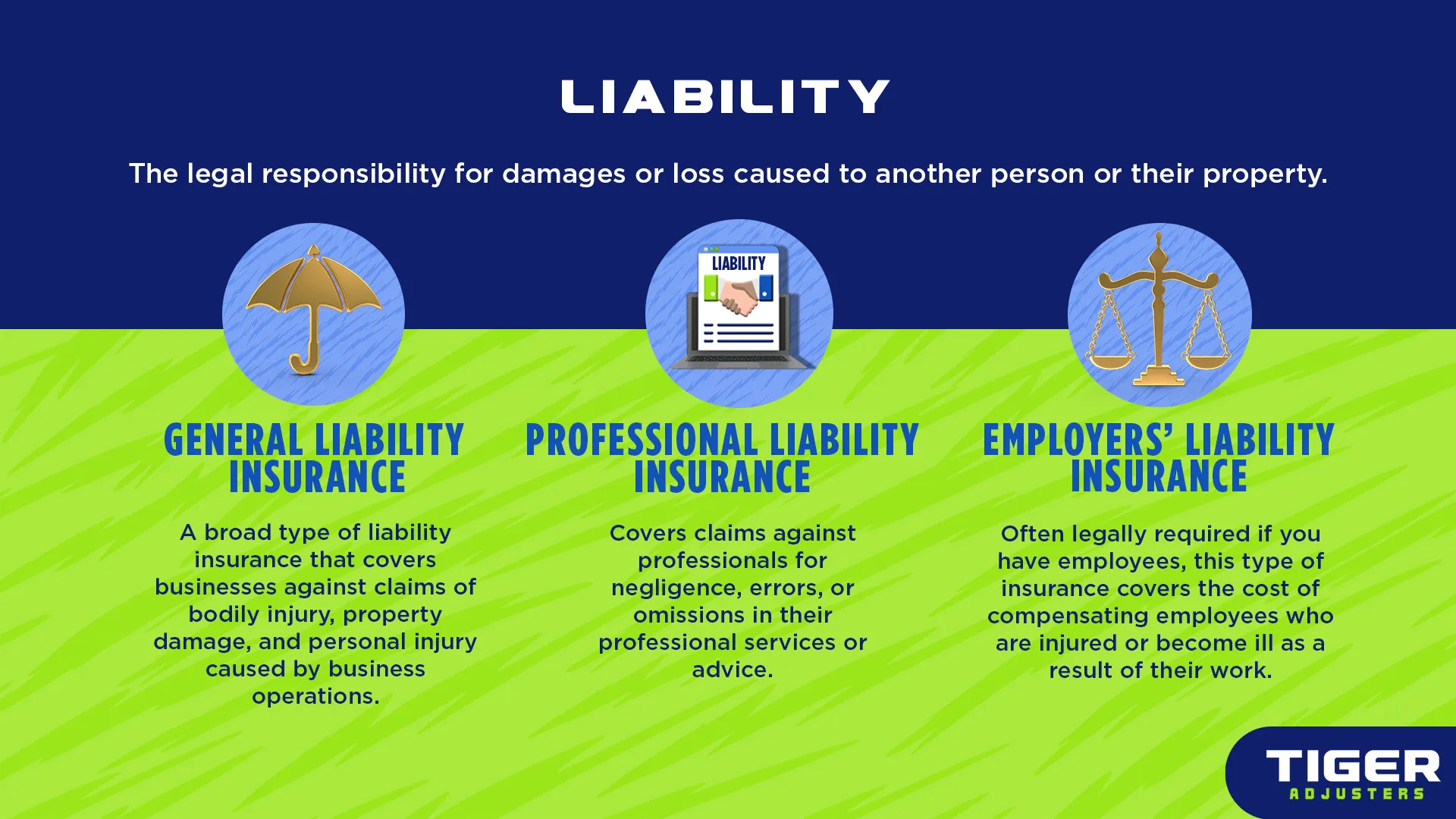
No, definitely not! The type and extent of liability coverage vary wildly depending on the policy and your specific needs. Standard homeowner's policies often have limits from $100,000 to $500,000. If you have significant assets, an umbrella policy provides millions in additional coverage across multiple underlying policies (home, auto, etc.). It’s important to note that common exclusions include intentional acts, business activities, professional services, certain vehicles (e.g., ATVs, snowmobiles unless endorsed), and sometimes even specific dog breeds or high-risk features like trampolines or pools (unless specific conditions are met or endorsements are added).
Liability coverage is your essential legal and financial armor against the unexpected chaos of causing harm to others. Don't underestimate its importance or assume your limits are sufficient for every scenario. At Tiger Adjusters®, we focus on homeowner and commercial property claims, but understanding your liability is crucial. For a thorough review of your liability limits and to confirm your protection is robust enough for any scenario, always consult with a qualified professional or legal counsel specializing in liability. They'll help you navigate the legal data stream, because nobody wants to be caught off guard when a lawsuit hits!


