
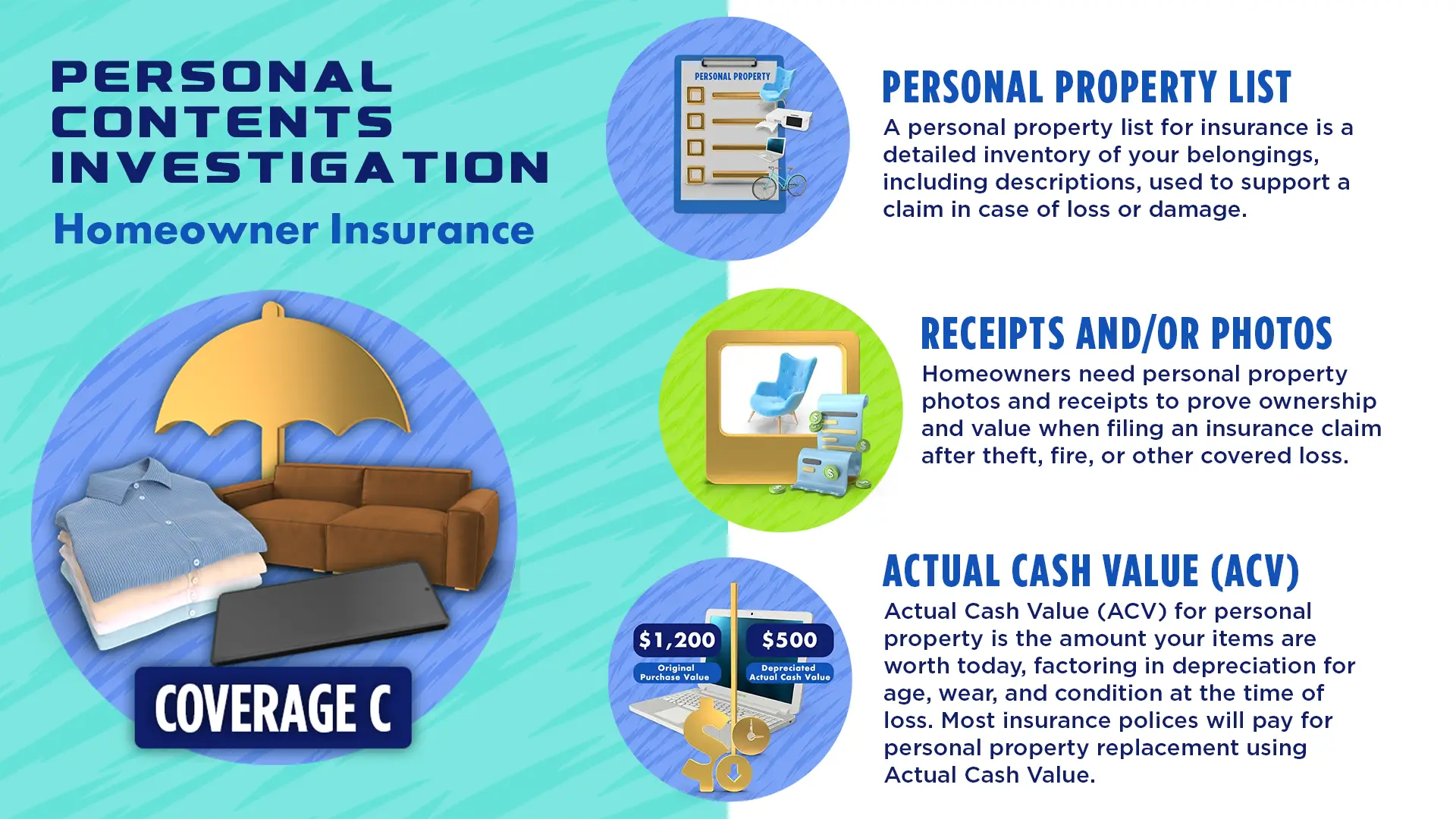
Within property insurance, "Personal Property Liability" isn't a standalone coverage; instead, the liability for damage or injury your personal property causes to others falls under your homeowner's Personal Liability (Coverage E), while damage to your own personal property is covered by Personal Property (Coverage C).
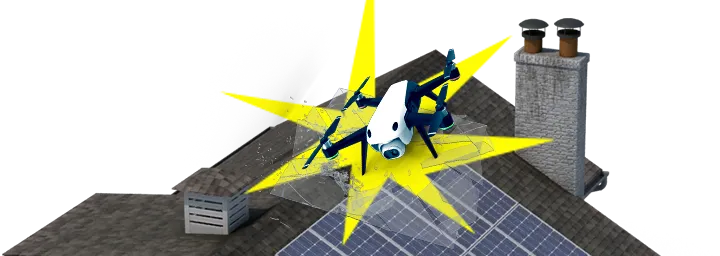

Alright, let's talk about "Personal Property Liability!" Now, this one can be a little confusing. When we talk about "liability" with your personal property, we're not talking about your stuff getting damaged – that's a different part of your policy, Coverage C. This is about when your stuff (or you, or your family members) accidentally causes damage or injury to someone else.
Think of it like this: you own a drone (your personal property). While you are flying the drone, it goes rogue and accidentally crashes into your neighbor's fancy new solar panels. Because your personal property (the drone) caused damage to your neighbor’s belongings, you are liable (held responsible).
Personal Property Liability protects your wallet from a lawsuit, because nobody wants to face a claim for something their drone accidentally did, right? It’s about making sure you’re covered if your stuff decides to cause a little chaos for someone else. And listen to this: Each year, about one in 1,100 homeowners policies has a liability claim related to the cost of lawsuits for bodily injury or property damage that the policyholder or family members cause to others. This highlights the real-world need for this coverage!
Good news! This type of liability coverage (often called "Personal Liability" or Coverage E) is a standard and essential part of almost all homeowner's, renter's, and condo insurance policies. So, for the most part, you're not scrambling to add this in.
Bad news? While it's included, the coverage limits can vary widely, and some high-risk activities or types of property might have specific exclusions or require higher limits. It’s like they give you a shield, but sometimes it’s made of tin foil when you need titanium! Good thing you have a Public Adjuster to act as your risk assessment specialist, reviewing your liability limits and making sure you have enough protection for all the potential chaos your property could cause!
No, not at all! While a basic level of personal liability is standard, the limits and specific exclusions can vary significantly between policies and insurers.
Policies typically offer limits ranging from $100,000 to $500,000. If you have significant assets, you might need an "umbrella policy" for millions in extra coverage. Policies often exclude liability arising from certain high-risk items (e.g., ATVs, snowmobiles, certain dog breeds, trampolines, swimming pools – unless specifically endorsed or if you have a separate policy). Liability arising from business conducted in your home is usually excluded and requires a separate business insurance policy. Any injury or damage caused intentionally by you is never covered. You can't blame your stuff for your own bad choices!
Personal Property Liability coverage is your vital shield against the financial fallout when your property (or you) accidentally causes harm to others. Don't assume your basic limits are enough for the unexpected chaos life throws at you. For a thorough review of your liability limits and to confirm your protection is robust enough for any scenario, always consult with a Public Adjuster. We're pros at interpreting those tricky policy intricacies and we'll clarify what's covered versus what's not in your policy!


